Wedding Ring and Engagement Ring Set: How to Choose the Perfect Match

Wedding Ring and Engagement Ring Set: How to Choose the Perfect Match

Choosing a wedding ring and engagement ring set is a beautiful way to celebrate your love and commitment. These two rings represent different milestones in a relationship, but when paired together, they create a meaningful combination that you can wear and cherish for years to come. Whether you prefer classic diamond rings, modern minimalist designs, or vintage-inspired styles, finding the right set starts with understanding your personal taste, lifestyle, and budget.

A matching wedding ring and engagement ring set can make shopping easier because both rings are designed to complement each other. You can also choose individual rings that work beautifully together, giving you more freedom to create a look that feels uniquely yours.

In this guide, we’ll explore different ring styles, popular metals, diamond options, budgeting tips, and practical advice to help you find the perfect wedding ring and engagement ring set.

What Is a Wedding Ring and Engagement Ring Set?

A wedding ring and engagement ring set typically includes two rings designed to be worn together. The engagement ring is traditionally given during a proposal, while the wedding band is exchanged during the wedding ceremony.

Although these rings serve different purposes, they often share design elements that create a coordinated appearance.

An engagement ring commonly features a center gemstone, such as a diamond, while a wedding band may have a simple metal finish, small accent diamonds, or an intricate pattern. When paired together, the rings create a balanced and elegant look.

Engagement Rings vs. Wedding Bands

Understanding the difference between these rings can help you choose a set that suits your preferences.

Engagement ring: Usually features a prominent center stone and is presented during a proposal. Popular designs include solitaire, halo, three-stone, and vintage-inspired rings.

Wedding band: Traditionally exchanged during the wedding ceremony. It may be a plain metal band, a diamond-studded ring, or a contoured design that fits around the engagement ring.

Matching ring set: Combines both rings into a coordinated design. Some sets feature identical metals and decorative details, while others use contrasting elements for a distinctive look.

There is no single rule for how these rings should look. The most important thing is choosing a combination that feels comfortable, attractive, and meaningful to you.

Popular Styles of Wedding Ring and Engagement Ring Sets

Ring styles vary widely, from timeless designs that never go out of fashion to contemporary combinations that make a statement. Exploring popular options can help you identify the look you love most.

1. Classic Solitaire Engagement Ring Sets

A solitaire engagement ring features one central gemstone, allowing the stone to take center stage. It is one of the most recognizable engagement ring styles because of its clean, understated appearance.

Pairing a solitaire engagement ring with a plain wedding band creates a timeless combination. If you prefer a little extra sparkle, a pavé wedding band can add delicate brilliance without overwhelming the center stone.

Solitaire sets work particularly well for people who appreciate simplicity and want a design that remains stylish over time.

2. Diamond Halo Ring Sets

A halo engagement ring features a central gemstone surrounded by smaller diamonds. This arrangement creates additional sparkle and can make the center stone appear larger.

A diamond wedding band complements the halo setting by adding brilliance along the finger. For a balanced look, choose a band with smaller stones that do not compete with the center diamond.

Halo sets are ideal for anyone who loves glamorous jewelry and wants a noticeable, sparkling combination.

3. Vintage-Inspired Wedding Ring Sets

Vintage-inspired sets often feature intricate details, including milgrain edges, filigree patterns, engraved bands, and antique-style gemstone settings.

These designs can feel romantic and distinctive, especially when paired with an engagement ring that has an oval, cushion, or round center stone.

If you love jewelry with character, a vintage-inspired set can provide a timeless appearance without requiring an authentic antique ring.

4. Minimalist Ring Sets

Minimalist sets focus on clean lines, subtle details, and simple silhouettes. They may feature a small solitaire diamond, a slim gold band, or a delicate wedding ring with a smooth finish.

These sets are particularly suitable for people who prefer understated jewelry or regularly use their hands throughout the day.

A minimalist design can also be easier to coordinate with other jewelry, making it a practical option for everyday wear.

5. Three-Stone Engagement Ring Sets

Three-stone engagement rings feature a central gemstone flanked by two smaller stones. The design creates a balanced appearance and offers more visual interest than a traditional solitaire.

A simple wedding band helps maintain the focus on the three-stone setting. Alternatively, a diamond band can create a more elaborate combination.

This style is a great choice if you want an engagement ring that feels distinctive while remaining elegant.

6. Contoured Wedding Ring Sets

Some engagement rings have large center stones or settings that prevent a straight wedding band from sitting flush against the ring.

A contoured wedding band solves this problem by following the shape of the engagement ring. It may feature a gentle curve, a V-shaped design, or a more customized silhouette.

Contoured bands are especially useful for engagement rings with pear-shaped, oval, or elaborate halo settings.

Before purchasing a set, check how the rings fit together when worn. Even two beautiful rings may not sit comfortably side by side if their shapes are incompatible.

Best Metals for Wedding Ring and Engagement Ring Sets

The metal you choose affects the appearance, durability, maintenance requirements, and overall cost of your ring set.

Yellow Gold

Yellow gold is a traditional choice that offers a warm, classic appearance. It complements diamonds and many colored gemstones, making it suitable for both modern and vintage-inspired designs.

Common options include 14-karat and 18-karat gold. Fourteen-karat gold generally offers a practical balance of gold content and durability, while 18-karat gold contains more pure gold and has a richer color.

Yellow gold can be a great option if you prefer traditional jewelry or want a warm contrast against a white diamond.

White Gold

White gold has a bright, silvery appearance that works well with contemporary engagement rings. It is particularly popular for diamond solitaire, halo, and pavé designs.

Many white gold rings receive a rhodium coating to enhance their white finish. This coating can wear over time and may need periodic renewal.

White gold is worth considering if you want the appearance of a white metal at a price that may be lower than platinum.

Rose Gold

Rose gold features a soft pink hue created by combining gold with copper and other alloy metals.

Its romantic color makes it a popular option for engagement rings with vintage details, oval diamonds, and delicate settings.

Rose gold can also be paired with white gold or platinum accents for a contrasting two-tone appearance.

Platinum

Platinum is a naturally white metal valued for its durability and density. It is a popular choice for people who want a premium metal for everyday jewelry.

Unlike white gold, platinum does not rely on a rhodium coating to maintain its naturally white color. However, platinum can develop surface scratches and a soft patina through regular wear.

Because it is dense and often more expensive than gold, platinum may increase the overall price of your ring set.

Can You Mix Different Metals?

Absolutely. A white gold engagement ring paired with a yellow gold wedding band can create a stylish contrast, while rose gold and platinum can produce a more contemporary combination.

The key is to make the difference look intentional. Repeating a small detail, such as a similar gemstone setting or band width, can help the two rings feel coordinated.

How to Choose the Right Diamond for Your Ring Set

If your engagement ring includes a diamond, understanding the factors that influence its appearance and price can help you make a more confident decision.

Understand the Four Cs

The Four Cs are the main characteristics used to evaluate a diamond.

  • Cut: Describes how well the diamond’s proportions and facets interact with light. Cut quality can strongly influence brilliance.
  • Color: Measures how colorless a diamond appears within the applicable grading scale.
  • Clarity: Evaluates internal characteristics called inclusions and external characteristics called blemishes.
  • Carat: Measures the diamond’s weight, not its physical size alone.

You do not necessarily need the highest grade in every category. Depending on the diamond, a well-cut stone with a slightly lower color or clarity grade may offer excellent visual appeal at a more accessible price.

Compare diamonds individually, and review grading reports from reputable gemological laboratories when available.

Natural Diamonds vs. Lab-Grown Diamonds

Both natural and lab-grown diamonds have the same fundamental chemical composition and crystal structure. The primary difference is how they form.

Natural diamonds develop through geological processes over long periods. Lab-grown diamonds are created using controlled technological processes.

Natural diamonds typically cost more than comparable lab-grown diamonds. Lab-grown options may allow you to select a larger stone or invest more in the setting while keeping the same budget.

Your decision may depend on personal preference, budget, and how you value a diamond’s origin. Whichever option you choose, compare quality, documentation, and total price rather than relying on appearance alone.

Consider Alternative Gemstones

Diamonds are not the only option for an engagement ring. Sapphires, rubies, emeralds, and other gemstones can create a distinctive look.

Sapphires are available in several colors and are generally well suited to everyday jewelry. Emeralds offer a rich green appearance but require more careful handling because they are typically more vulnerable to damage than diamonds or sapphires.

If you choose a colored gemstone, ask a jeweler about its durability, treatment history, and maintenance requirements before purchasing it.

How Much Does a Wedding Ring and Engagement Ring Set Cost?

The cost of a wedding ring and engagement ring set varies considerably. The final price depends on the center stone, metal, ring design, craftsmanship, brand, and whether you choose natural diamonds, lab-grown diamonds, or alternative gemstones.

Here is a general budgeting guide in U.S. dollars. These ranges are illustrative estimates rather than fixed market prices.

Budget range What you might find
Under $500 Simple wedding bands, modest gemstone rings, or selected affordable sets
$500–$1,500 Basic gold bands, smaller gemstones, or some lab-grown diamond options
$1,500–$3,000 More design choices, including selected diamond engagement rings with coordinated bands
$3,000–$5,000 A broader selection of diamond sizes, settings, and precious metals
$5,000 and above Premium designs, larger center stones, elaborate settings, or higher-priced natural diamonds

Prices can fall outside these ranges depending on the jeweler and specifications. Some engagement rings alone cost more than the highest range shown, while simple wedding bands may cost substantially less.

Set a Budget Before Shopping

Start by deciding how much you can comfortably spend without affecting essential expenses, savings, or other financial goals.

There is no universal rule that says an engagement ring should cost a particular number of months of salary. Your budget should reflect your circumstances rather than an advertising slogan or social expectation.

It can also help to divide your budget into two parts: the engagement ring and the wedding band. This gives you a clearer idea of how much you can spend on each piece.

Look for Value, Not Just Size

A larger diamond is not automatically the best choice. Cut quality, proportions, setting design, and the way the stone looks in person can make a significant difference.

If you want a larger-looking center stone without overspending, compare oval or pear-shaped diamonds, consider lab-grown diamonds, or explore settings that emphasize the center stone.

Always compare complete ring specifications. A low advertised price may not include the wedding band, resizing, taxes, or other services.

How to Match Your Wedding Band With Your Engagement Ring

Choosing two rings that look good together requires more than selecting the same metal. The shape, proportions, height, and setting style all influence how the rings look when worn.

Match the Metal Color

Using the same metal creates a cohesive appearance. For example, a white gold engagement ring paired with a white gold wedding band produces a coordinated, traditional look.

However, matching metals is a preference rather than a requirement. Two-tone combinations can look equally attractive when the design elements complement one another.

Pay Attention to Band Width

Band width affects the overall balance of the set. A narrow wedding band can look delicate beside a small solitaire, while a wider band may complement a larger center stone or a more substantial engagement ring.

Try different widths in person when possible. A band that looks perfectly proportioned in a product photo may feel different on your hand.

Check the Ring Height

The height of the engagement ring’s setting determines whether a wedding band can sit flush against it.

Low-profile settings may work well with straight bands, while taller or more elaborate settings may need a curved band or a specially designed matching ring.

If you plan to wear both rings on the same finger, ask the jeweler to check their fit together before finalizing your purchase.

Consider Diamond Placement

A pavé or channel-set wedding band can add sparkle, but the stones should not rub against the engagement ring in a way that causes unnecessary wear.

A jeweler can assess whether the settings fit together safely. In some cases, a plain band may be the more practical choice.

Should You Buy a Matching Set or Separate Rings?

Both approaches have advantages, and the best option depends on your priorities.

Benefits of Buying a Matching Set

A matching set is designed to create a coordinated appearance. It can simplify shopping because the rings are intended to complement one another in terms of shape, metal, and style.

Buying a set may also make it easier to compare the total cost of both rings at once. However, discounts are not guaranteed, so compare the set price with the individual prices before deciding.

Benefits of Buying Separate Rings

Purchasing the rings separately offers greater flexibility. You can choose an engagement ring first and select a wedding band later, perhaps after trying different combinations.

This approach is especially useful if your partner has a distinctive style or prefers a wedding band that does not come with a traditional engagement ring set.

You can also spread out the expense, provided you plan the total budget carefully.

Which Option Is Better?

Choose a matching set if you want convenience and a coordinated design. Choose separate rings if you value flexibility or want to create a combination that reflects your individual preferences.

Neither option is inherently better. Comfort, durability, design compatibility, and budget matter more than whether the rings were sold together.

Tips for Choosing the Perfect Ring Set

A little preparation can make shopping for wedding and engagement rings easier.

  1. Identify your preferred style. Browse classic, minimalist, vintage, and contemporary designs to understand what appeals to you.
  2. Set a realistic budget. Include both rings and account for possible resizing, taxes, insurance, and maintenance.
  3. Choose a suitable metal. Consider durability, color preference, skin sensitivity, and upkeep.
  4. Compare gemstones carefully. Review the Four Cs for diamonds and ask about treatments and durability for colored gemstones.
  5. Check sizing. Fingers can change size throughout the day and with temperature. A professional fitting can help you choose comfortably.
  6. Try the rings together. Confirm that the wedding band fits the engagement ring and feels comfortable on your finger.
  7. Review the return policy. Check the rules for resizing, returns, exchanges, and custom orders before paying.
  8. Ask about warranties and maintenance. Understand whether inspections, cleaning, repairs, or stone tightening are included.
  9. Keep documentation. Save receipts, grading reports, and any appraisal or insurance paperwork.
  10. Choose a reputable jeweler. Look for clear product descriptions, transparent pricing, and dependable customer service.

How to Care for Your Wedding and Engagement Rings

Your ring set may be worn every day, so regular care can help maintain its appearance and reduce the risk of damage.

Clean Your Rings Regularly

For many diamond rings, gentle cleaning with warm water, mild dish soap, and a soft brush is suitable. Rinse carefully and dry with a lint-free cloth.

However, cleaning methods depend on the gemstone and setting. Pearls, emeralds, treated stones, and delicate vintage pieces may need special care. Ask your jeweler before using ultrasonic cleaners or chemical solutions.

Inspect the Settings

Check your rings periodically for loose stones, damaged prongs, or unusual movement. If a gemstone appears loose, stop wearing the ring until a jeweler has inspected it.

Professional inspections can help identify problems before a stone falls out.

Protect Your Rings During Activities

Remove your rings when performing activities that may expose them to strong impacts, harsh chemicals, or heavy abrasion, provided it is safe to do so.

Store each ring in a soft-lined jewelry box or a separate compartment to minimize scratches. Be especially careful when handling cleaning products, exercising with weights, or doing manual work.

Consider Insurance

Depending on the ring’s value, insurance may provide protection against covered events such as theft, loss, or accidental damage. Policies vary, so review the exclusions, deductibles, documentation requirements, and coverage limits.

An appraisal may be useful when arranging coverage, but it is not necessarily the same as the purchase price or the amount an insurer will pay.

Frequently Asked Questions

Can I wear my engagement ring and wedding band every day?

Yes. Many people wear both rings daily, provided the designs are comfortable and suitable for their activities. Remove them when necessary to avoid impacts, chemical exposure, or damage, and follow your jeweler’s care recommendations.

Does the wedding band have to match the engagement ring?

No. Matching metals and styles can create a coordinated look, but mixing metals or designs is also popular. Choose a combination that reflects your taste and fits comfortably.

Which ring goes on first?

In many Western traditions, the wedding band is worn closest to the heart, with the engagement ring above it on the same finger. Customs vary by culture and personal preference, so there is no universal requirement.

Should I buy the wedding band at the same time as the engagement ring?

Buying both together makes it easier to check the fit and overall appearance. However, you can purchase the wedding band later if you prefer more time to compare options or want to spread out the cost.

Are lab-grown diamond ring sets worth considering?

Lab-grown diamond sets can be a good option if you want the appearance and physical properties of a diamond at a potentially lower purchase price than a comparable natural diamond. Compare the quality, grading documentation, warranty, and total price before deciding.

How do I know if my ring size is correct?

A properly fitted ring should slide over the knuckle with some resistance and sit comfortably without feeling painfully tight. Have a professional jeweler measure your finger, especially if you plan to wear two rings together.

Can I customize a wedding ring and engagement ring set?

Many jewelers offer customization, including different metals, gemstones, engraving, band widths, and setting styles. Custom designs may cost more and take longer to produce, so confirm the final specifications and timeline before ordering.

Is it better to choose a diamond or a colored gemstone?

The right choice depends on your aesthetic preferences, budget, and lifestyle. Diamonds are popular for their brilliance and hardness, while sapphires and other gemstones offer distinctive colors. Check the durability and care requirements of any gemstone intended for everyday wear.

Conclusion

Finding the perfect wedding ring and engagement ring set is about choosing two rings that represent your relationship while fitting your everyday life. From classic solitaire combinations to modern mixed-metal designs, there are plenty of options for different tastes and budgets.

Start by deciding on your preferred style, choosing a comfortable budget, and comparing metals and gemstones. Then pay attention to the details that matter in everyday wear, including ring size, setting height, band width, and maintenance requirements.

Whether you choose a coordinated matching set or select each ring separately, the best combination is one that feels right to you. With thoughtful planning and a little research, you can find a wedding ring and engagement ring set that you will be happy to wear for years to come.
How Much Does an Engagement Ring Cost?

How Much Does an Engagement Ring Cost?
The cost of an engagement ring can range from a few hundred dollars to several thousand dollars or more. The price depends on the diamond or gemstone, the type of metal, the ring’s design, and whether you choose a natural diamond, a lab-grown diamond, or an alternative stone.

The good news? You don’t need to spend a fortune to find a beautiful engagement ring. The best choice is one that fits your budget and your partner’s style without creating unnecessary financial stress.

Average Engagement Ring Cost in 2026

For context, BriteCo’s 2025 market data reported a median engagement ring sales price of $6,939, with natural diamond rings having a median price of $12,961 and lab-grown diamond rings $4,557. These figures reflect its particular sales and appraisal data, so your actual price may be much lower or higher.

Here is a practical guide to common budget ranges in the US.

Budget What you might consider
Under $500 Simple gemstone rings, sterling silver, or smaller lab-grown stones
$500–$1,000 Moissanite, petite diamond rings, or simple gold settings
$1,000–$2,500 Many lab-grown diamond rings and selected natural diamond designs
$2,500–$5,000 Higher-quality lab-grown rings or smaller natural diamond rings
$5,000–$10,000 More natural diamond options, premium settings, and larger stones
$10,000+ Larger or higher-grade natural diamonds, platinum, and luxury designs

These are illustrative shopping budgets, not guaranteed prices. Stone specifications, metal prices, retailer markups, and local taxes affect the final cost.

What Affects the Price of an Engagement Ring?

1. Natural vs. Lab-Grown Diamonds

The type of diamond you choose can make a significant difference in price.

  • Natural diamonds form naturally in the Earth over geological timescales. Their rarity and market demand influence their price.

  • Lab-grown diamonds are created using technology that reproduces the conditions needed for diamond growth. They have essentially the same chemical composition and crystal structure as natural diamonds, but typically cost considerably less.

  • Moissanite is a different gemstone that offers impressive sparkle and is often more affordable than either type of diamond.

For buyers who want a larger diamond within a limited budget, lab-grown diamonds are worth comparing. If natural origin is particularly important to you, a smaller natural diamond may be a better fit.

2. Diamond Size and Carat Weight

Carat measures a diamond’s weight, not its physical dimensions. Larger diamonds generally cost more, and prices do not increase in a perfectly linear way.

A well-cut diamond with a slightly lower carat weight can look beautiful without stretching your budget. Oval, pear, and marquise shapes can also appear larger face-up than a round diamond of the same weight, depending on their proportions.

3. The Four Cs

When choosing a diamond, compare its four main grading characteristics:

  • Cut: Influences how well the diamond reflects light. Prioritize cut quality for sparkle.

  • Color: Measures how colorless a white diamond appears. Slightly warmer grades can offer savings.

  • Clarity: Describes internal and external characteristics. Some inclusions are not visible without magnification.

  • Carat: Measures the diamond’s weight.

You do not necessarily need the highest grade in every category. A balanced combination can give you a beautiful ring while leaving more money for other wedding expenses.

4. Ring Metal and Setting

The band and setting contribute to the final price, too.

  • 14K gold: A popular option for balancing durability and gold content.

  • 18K gold: Contains more pure gold and has a richer gold content, but is generally softer than 14K gold.

  • Platinum: A premium, naturally white metal that is dense and corrosion-resistant.

  • Sterling silver: An affordable choice, although it is less common for traditional engagement rings intended for lifelong daily wear.

A simple solitaire setting usually costs less than an elaborate halo or pavé setting with many additional stones.

How Much Should You Spend on an Engagement Ring?

You may have heard the traditional suggestion to spend two or three months’ salary on an engagement ring. Treat that as a cultural or marketing guideline, not a financial rule you must follow.

A sensible budget depends on your income, savings, debts, upcoming wedding costs, and other financial goals. There is no minimum amount you need to spend to demonstrate your commitment.

A good approach is to decide on a comfortable spending limit before visiting jewelry stores. Choose a ring that feels meaningful without relying on debt you cannot comfortably repay.

How to Save Money When Buying an Engagement Ring

14K Gold Solitaire Diamond Ring Kyklos Jewelry

Choose a simple setting

A classic solitaire uses a single center stone and a relatively uncomplicated design. It can look elegant and timeless without the additional cost of multiple accent diamonds.

Solitaire Style Oval Engagement Ring | diamondsbyuk

Compare lab-grown diamonds

If you want a diamond with a larger appearance for less money, compare lab-grown options with natural diamonds of similar specifications. Make sure the stone’s origin is clearly disclosed.

Whisper Ring, Pear Cut - Melanie Casey

Explore alternative gemstones

Moissanite and sapphires can make beautiful engagement rings. They offer different appearances and price points, so compare durability, maintenance, and the style your partner prefers.

Maria Solitaire Ring | Elegant Engagement Ring in Gold or Platinum – Monroe Yorke Diamonds

Compare several jewelers

Review the total price, stone grading report, metal specifications, resizing policy, warranty, and return conditions. Do not compare rings based on carat weight alone.

Frequently Asked Questions

Is $1,000 Enough for an Engagement Ring?

Yes. A $1,000 budget can provide several options, including moissanite rings, smaller natural diamond rings, and many lab-grown diamond designs. The available choices depend on the stone specifications and setting you select.

Is a $5,000 Engagement Ring Too Expensive?

Not necessarily. It depends on your financial situation and priorities. If spending $5,000 would interfere with rent, emergency savings, debt repayment, or other important expenses, choosing a less expensive ring may be wiser.

Is a Lab-Grown Diamond a Real Diamond?

Yes. Lab-grown diamonds have essentially the same chemical composition and crystal structure as natural diamonds. Their origin is different, so sellers should clearly identify them as lab-grown rather than natural.

Does an Engagement Ring Have to Include a Diamond?

No. Sapphires, moissanite, other gemstones, and simple metal rings can all be meaningful engagement ring choices. The right design depends on your partner’s preferences and your budget.

Should I Buy the Ring Online or In Person?

Both options can work. In-person shopping lets you inspect and try on rings, while online stores may offer a wider selection. Check the seller’s reputation, return policy, sizing options, and documentation before purchasing.

Final Thoughts

So, how much does an engagement ring cost? In the US, it can be anywhere from a few hundred dollars to well over $10,000, depending on your choices. Recent market data offers useful benchmarks, but there is no single price that every couple should aim for.

My practical advice is to start with a budget you can comfortably afford, compare natural and lab-grown diamonds if you want a diamond, and focus on a setting and style your partner will enjoy wearing.

The best engagement ring isn’t the most expensive one. It’s the one that celebrates your relationship without putting unnecessary financial pressure on your future together.

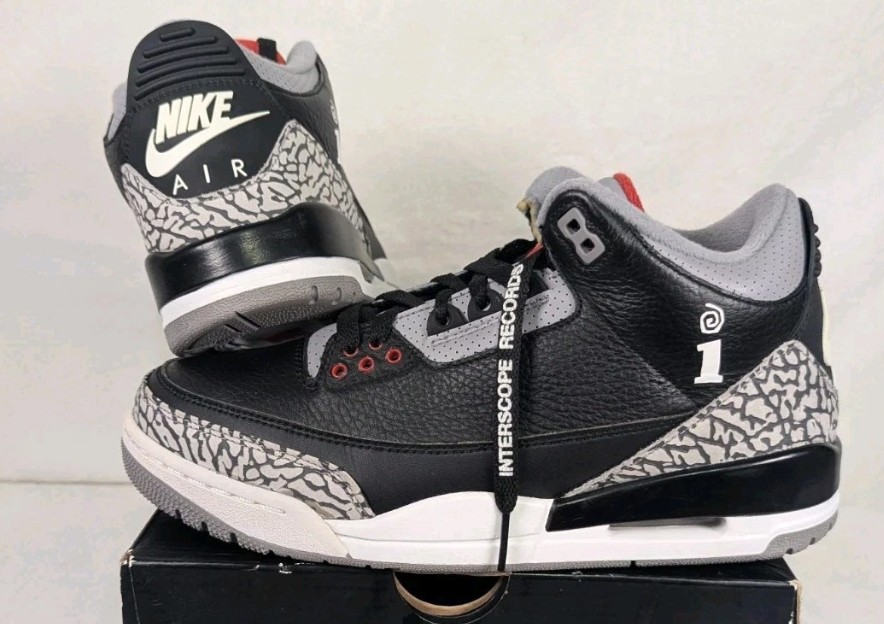
Air Jordan 3 Interscope Records: Market Value, Rarity, and Why Collectors Consider It a Hidden Grail

Air Jordan 3 Interscope Records: Market Value, Rarity, and Why Collectors Consider It a Hidden Grail

The first time I heard about the Air Jordan 3 Interscope Records, I thought it was another player-exclusive sneaker that only a handful of hardcore collectors knew about. It wasn’t a shoe that received the same mainstream attention as collaborations from Travis Scott, Dior, or Off-White. Yet the more I researched it, the more I realized just how special it really was.

What makes the Air Jordan 3 Interscope Records fascinating is that it combines two powerful cultural forces: sneaker culture and music history. While many collaborations focus on fashion brands or celebrities, this release celebrated one of the most influential record labels in modern music.

Today, the Air Jordan 3 Interscope Records remains one of the most sought-after Jordan 3 collaborations ever released, largely because of its limited production numbers, unique storytelling, and growing scarcity in the resale market.

The Story Behind the Air Jordan 3 Interscope Records

In 2018, Jordan Brand partnered with Interscope Records to celebrate the label’s 30th anniversary.

For anyone familiar with music history, Interscope Records has played a massive role in shaping modern entertainment. The label has worked with legendary artists including Dr. Dre, Eminem, 50 Cent, Kendrick Lamar, Lady Gaga, and countless others.

Rather than creating a loud or flashy sneaker, Jordan Brand chose a clean and premium design that reflected the label’s influence.

I actually appreciate that decision.

Sometimes collaborations try way too hard to grab attention. The Air Jordan 3 Interscope Records felt more refined and mature.

The result was a sneaker that appealed to both sneakerheads and music enthusiasts.

A Celebration of Music Culture

The collaboration wasn’t just about placing a logo on a shoe.

Jordan Brand incorporated details connected to the record industry and Interscope’s legacy.

For collectors who appreciate storytelling, these details matter.

They help transform a sneaker from a product into a piece of cultural history.

That’s one reason why certain collaborations age much better than others.

Design Details That Make the Sneaker Unique

At first glance, the Air Jordan 3 Interscope Records appears relatively simple.

But the closer you look, the more details become apparent.

The sneaker features a predominantly white leather upper combined with iconic elephant print overlays that Jordan 3 fans instantly recognize.

Red accents appear throughout the design, creating a clean contrast against the white base.

Premium Construction

One thing that stood out to me when examining detailed images was the quality of the materials.

Notable design elements include:

  • White tumbled leather upper
  • Classic elephant print mudguards
  • Bright red eyelets
  • Red Jumpman branding
  • Interscope Records logo on the heel
  • Premium construction details
  • Special collaboration packaging

The Interscope logo on the heel is arguably the most important feature.

It’s subtle enough to remain wearable while still making the collaboration immediately recognizable to collectors.

The Perfect Balance Between Wearability and Exclusivity

Some collaborations become difficult to wear because the branding is overwhelming.

That wasn’t the case here.

The Air Jordan 3 Interscope Records maintained the timeless appeal of the Jordan 3 silhouette while adding enough unique details to differentiate it from standard releases.

Honestly, that’s harder to achieve than most people think.

Why the Air Jordan 3 Interscope Records Is So Rare

Rarity is one of the biggest factors driving demand for collectible sneakers.

The Air Jordan 3 Interscope Records benefits from genuine scarcity.

Unlike general-release Jordan models that may be produced in hundreds of thousands of pairs, this collaboration was released in highly limited quantities.

Exclusive Distribution

One major reason for the sneaker’s rarity was its restricted release strategy.

The shoe was primarily available through:

  • Exclusive pop-up events
  • Select Jordan Brand channels
  • Limited promotional releases
  • Special anniversary celebrations

Many sneaker fans never even had an opportunity to purchase a pair at retail.

I remember reading discussions from collectors who spent months searching for pairs after missing the initial launch.

That limited accessibility significantly increased long-term demand.

Music and Sneaker Audiences Collided

Another factor that contributed to scarcity was the crossover appeal.

The collaboration attracted:

  • Jordan collectors
  • Music memorabilia enthusiasts
  • Interscope fans
  • Sneaker investors
  • Celebrity collectors

When multiple collector communities compete for the same product, supply disappears quickly.

That’s exactly what happened here.

Original Retail Price and Launch Reception

The Air Jordan 3 Interscope Records originally retailed for approximately $200.

At first glance, that pricing was consistent with premium Air Jordan releases of the period.

However, many collectors immediately recognized that the limited production numbers would likely push resale values much higher.

They were right.

Early Market Reactions

The initial reaction from sneaker communities was overwhelmingly positive.

Collectors praised:

  • Clean color blocking
  • Strong storytelling
  • High-quality materials
  • Limited availability
  • Cultural significance

I think one reason the shoe succeeded is because it didn’t rely solely on hype.

It offered a compelling story alongside a genuinely attractive design.

That’s often the formula for long-term success.

Current Market Value of the Air Jordan 3 Interscope Records

The resale market for the Air Jordan 3 Interscope Records has remained strong years after release.

Depending on size, condition, and packaging completeness, resale prices commonly range from $1,000 to over $3,000 for deadstock pairs.

Some rare sizes have sold for even more.

That’s a significant increase compared to the original retail price.

Factors Affecting Resale Value

Not every pair commands the same premium.

Several factors influence market pricing.

Condition

Deadstock pairs remain the most valuable.

Even light wear can noticeably impact collector demand.

Size

Popular sizes often generate stronger competition among buyers.

As a result, resale values may increase for certain sizes.

Original Packaging

Collectors love complete sets.

Having the original box, hangtags, and accessories can boost value considerably.

Market Demand

Interest in music-related collaborations has increased over the years.

As collectors search for unique pieces with strong stories, demand for the Interscope Jordan 3 remains healthy.

Why Collectors Still Chase This Sneaker

Years after release, the Air Jordan 3 Interscope Records continues attracting attention.

That’s not accidental.

Limited Production Numbers

Supply remains fixed.

No additional production runs have been released.

Every year, more pairs become worn, damaged, or permanently stored in private collections.

That naturally increases scarcity.

Strong Cultural Relevance

Few record labels have influenced popular music as much as Interscope.

The collaboration celebrates decades of music history rather than a short-lived trend.

That gives the sneaker lasting significance.

One of the Best Jordan 3 Collaborations

Many collectors consider the Interscope Records release among the strongest Jordan 3 collaborations ever produced.

The design remains clean and wearable while still feeling exclusive.

That combination is incredibly valuable in the sneaker world.

Is the Air Jordan 3 Interscope Records a Good Investment?

Sneakers should never be viewed as guaranteed investments.

I’ve watched plenty of hyped releases lose value after launch.

However, the Air Jordan 3 Interscope Records possesses several characteristics often associated with strong collectible assets.

These include:

  • Limited availability
  • Historical significance
  • Strong storytelling
  • Iconic silhouette
  • Cross-market appeal
  • Consistent collector demand

Those factors have helped support resale prices over time.

Common Mistakes Buyers Make

One mistake I’ve seen repeatedly is purchasing based solely on price trends.

Collectors should focus on authenticity and condition first.

Always:

  • Verify seller reputation
  • Request detailed photographs
  • Examine heel logos carefully
  • Check packaging details
  • Use authentication services

With premium resale prices, authentication becomes essential.

Final Thoughts on the Air Jordan 3 Interscope Records

The Air Jordan 3 Interscope Records stands as one of the most underrated collaborations in Jordan Brand history. By celebrating the 30th anniversary of a legendary music label, Jordan Brand created a sneaker that successfully bridges the worlds of music, fashion, and sneaker culture.

Its rarity, premium construction, and cultural relevance have helped it become a true collector’s item. While it may not receive the same mainstream attention as some modern collaborations, many experienced collectors view it as a hidden grail that continues to appreciate in both reputation and value.

For sneaker enthusiasts, it represents a unique chapter in Jordan Brand history. For music fans, it serves as a tribute to one of the most influential record labels ever created. And for collectors, it remains one of the most desirable Air Jordan 3 collaborations ever released.

Years after its debut, the Air Jordan 3 Interscope Records continues to prove that great storytelling, limited availability, and timeless design can create a sneaker that stands the test of time.

Nike Air Yeezy 1 “Grammy”: Market Value, Rarity, and the Sneaker That Changed History

Nike Air Yeezy 1 “Grammy”: Market Value, Rarity, and the Sneaker That Changed History

When sneaker collectors talk about grails, a few names always come up. The Nike MAG. The original Air Jordan samples. Friends & Family exclusives. But sitting near the very top of that list is a sneaker that many people will never see in person: the Nike Air Yeezy 1 “Grammy.”

The first time I learned about the Grammy Yeezy, I assumed it was simply another unreleased sample. Then I started digging into its history and realized this wasn’t just a rare sneaker. It was arguably one of the most important footwear prototypes ever created.

What makes the Grammy Yeezy special isn’t just its scarcity. It’s the story behind it.

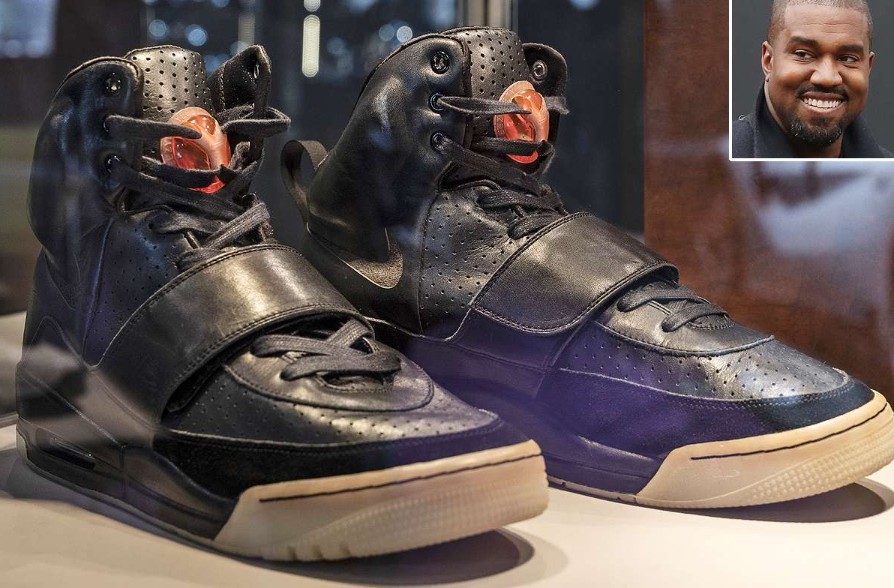
This is the shoe that introduced the Yeezy concept to the world. Before billion-dollar sneaker partnerships, before sold-out Adidas releases, and before Yeezy became a household name, there was a mysterious black Nike sneaker worn by Kanye West during the 50th Annual Grammy Awards in 2008. That single appearance helped launch one of the most influential sneaker franchises ever created.

The Story Behind the Nike Air Yeezy 1 “Grammy”

On February 10, 2008, Kanye West performed “Hey Mama” and “Stronger” during the Grammy Awards.

Most viewers were focused on the performance.

Sneaker enthusiasts, however, noticed something unusual on his feet.

Nobody knew exactly what the shoes were.

The only obvious clue was a Nike Swoosh.

At the time, rumors had already been circulating that Nike and Kanye West were working together behind the scenes. The Grammy appearance effectively revealed the project to the world and sparked enormous curiosity throughout sneaker culture.

The Birth of a Sneaker Empire

Looking back, it’s easy to underestimate how significant that moment was.

Today, celebrity sneaker collaborations are common.

Back then, things were different.

The Air Yeezy project became Nike’s first major signature collaboration with a non-athlete, helping redefine what a signature sneaker could be. The success of the Yeezy concept later influenced countless artist and celebrity collaborations throughout the footwear industry.

I honestly think many collectors focus too much on resale value and not enough on historical significance.

The Grammy Yeezy has both.

That’s incredibly rare.

What Makes the “Grammy” Colorway Different?

Unlike the retail Nike Air Yeezy 1 releases that arrived in 2009, the Grammy pair was a prototype sample.

This specific version featured:

  • Premium black leather construction
  • White outsole
  • Perforated detailing throughout the upper
  • Signature Yeezy forefoot strap
  • Early prototype construction
  • Unique sample specifications

Most importantly, this exact colorway was never released to the public. The sneaker remains one of the most famous unreleased Yeezy designs ever created.

A True One-of-One Sneaker

Here’s where things become absolutely crazy.

Many “rare” sneakers have production numbers of 100 pairs.

Some have 50 pairs.

A few have fewer than 10 pairs.

The Grammy Yeezy is generally regarded as a one-of-one prototype directly connected to Kanye’s Grammy performance. That level of exclusivity is virtually impossible to replicate.

When people talk about rarity in sneaker collecting, this is the type of sneaker they’re talking about.

Not limited.

Not exclusive.

Unique.

Why the Nike Air Yeezy 1 “Grammy” Is So Rare

Several factors combine to make the Grammy Yeezy one of the rarest sneakers ever documented.

Only One Known Pair Exists

Unlike commercial sneaker releases, the Grammy sample was created specifically for Kanye West.

According to the documented history of the pair, it was produced inside Nike’s Innovation Kitchen and supplied to Kanye for his Grammy performance before being returned to Nike.

That alone creates extraordinary scarcity.

Historical Significance

Rarity isn’t just about numbers.

Context matters.

The Grammy Yeezy represents:

  • The public debut of the Yeezy brand
  • The beginning of Nike Yeezy history
  • A major turning point in sneaker culture
  • One of the earliest celebrity signature sneaker projects

Collectors place enormous value on items connected to important moments in sports, music, and fashion history.

The Grammy Yeezy checks every box.

Unreleased Status

Another factor that drives demand is that the shoe never received a public release.

Sneaker collectors often obsess over unreleased samples because they provide a glimpse into alternate design paths and hidden product history.

The Grammy Yeezy became legendary precisely because most people could never own it.

The Original Value of the Grammy Yeezy

Assigning an original value to the Grammy sample is difficult.

This wasn’t a retail product.

There was no official price tag.

The retail Air Yeezy 1 models released in 2009 carried a suggested retail price of $215 and sold out almost immediately.

The Grammy sample existed in an entirely different category.

It wasn’t made for stores.

It was made for history.

Early Ownership History

After the Grammy performance, the sneaker returned to Nike and later appeared in a charity auction before eventually finding its way into the hands of private collectors. Over time, the shoe’s value increased dramatically as the Yeezy brand grew into a global phenomenon.

I find that progression fascinating.

A shoe that originally existed as a prototype eventually became one of the most valuable sneakers on Earth.

Record-Breaking Market Value

The most famous chapter in the Grammy Yeezy story occurred in 2021.

Sotheby’s offered the prototype through a private sale and estimated that it could surpass the million-dollar mark. The sneaker ultimately sold for approximately $1.8 million, becoming the first sneaker known to exceed $1 million in a sale and setting a record at the time.

That number stunned the entire sneaker community.

Even seasoned collectors were shocked.

Why Did It Sell for $1.8 Million?

Several factors contributed to the record-breaking price.

Historical Importance

This wasn’t simply a shoe.

It was the beginning of the Yeezy story.

Collectors routinely pay premiums for historically important artifacts, and the Grammy Yeezy sits near the top of sneaker history.

One-of-One Status

The existence of only one known pair creates extraordinary scarcity.

Supply literally cannot increase.

Cultural Impact

The Yeezy brand became one of the most influential names in footwear.

As the brand grew, interest in its origin story grew as well.

Celebrity Provenance

Items directly worn by influential artists frequently command premium values.

The Grammy Yeezy benefits from clear documentation and public visibility.

How Collectors View the Grammy Yeezy Today

Among serious collectors, the Grammy Yeezy occupies a unique category.

Many collectors view it less as footwear and more as a museum-quality artifact.

I’ve seen discussions where sneaker enthusiasts compare it to legendary sports memorabilia rather than ordinary sneakers.

That comparison actually makes sense.

The Grammy Yeezy represents a moment that permanently changed sneaker culture.

Community Reactions

Discussions across sneaker communities often reveal two perspectives.

Some collectors believe the $1.8 million valuation was justified because of the shoe’s historical importance. Others argue that the number reflects hype and celebrity influence as much as collectible value.

Honestly, both viewpoints have merit.

That’s usually what happens with iconic collectibles.

Could the Grammy Yeezy Be Worth Even More?

This is a question collectors ask all the time.

Nobody knows for sure.

However, several factors could support future appreciation:

  • One-of-one status
  • Historical significance
  • Global brand recognition
  • Museum-level collectibility
  • Growing interest in sneaker history

The challenge is that assets of this caliber rarely trade publicly.

Without frequent sales, determining market value becomes difficult.

Still, few people would argue that the Grammy Yeezy has lost its cultural importance.

Final Thoughts on the Nike Air Yeezy 1 “Grammy”

The Nike Air Yeezy 1 “Grammy” is more than a sneaker. It’s one of the most significant artifacts in modern footwear history. Worn during Kanye West’s iconic 2008 Grammy performance, the prototype introduced the world to the Yeezy concept and helped launch a movement that would reshape sneaker culture for years to come.

Its rarity is unmatched, its story is remarkable, and its influence extends far beyond fashion. The record-breaking $1.8 million sale only reinforced what many collectors already believed: the Grammy Yeezy is not simply valuable because it’s rare. It’s valuable because it represents a pivotal moment in sneaker history.

For collectors, it remains the ultimate grail. For investors, it’s proof that cultural significance can drive extraordinary value. And for sneaker enthusiasts, it stands as a reminder that sometimes the most important shoes are the ones that never reached store shelves.

Balenciaga x Crocs Foam Clogs: Market Value, Rarity, and Why Fashion Collectors Still Talk About Them

Balenciaga x Crocs Foam Clogs: Market Value, Rarity, and Why Fashion Collectors Still Talk About Them

When I first saw the Balenciaga x Crocs Foam Clogs, I honestly laughed.

Not because they looked bad, but because they felt completely unexpected. Crocs had spent years being known as comfortable, practical footwear, while Balenciaga had built a reputation for pushing luxury fashion into strange and sometimes controversial territory. Seeing those two brands come together seemed almost impossible.

Then I started paying attention.

Fashion editors were discussing them. Sneaker collectors were debating them. Social media was flooded with reactions ranging from admiration to complete confusion. Before long, the collaboration became one of the most talked-about examples of luxury-meets-casual footwear.

Looking back, the Balenciaga x Crocs Foam Clogs weren’t just another collaboration. They represented a major shift in how consumers viewed luxury fashion, comfort footwear, and streetwear culture.

The Story Behind the Balenciaga x Crocs Collaboration

Before the Foam Clogs arrived, Balenciaga had already experimented with Crocs.

The partnership first gained attention through platform Crocs that appeared on fashion runways and immediately generated headlines. Many people criticized the designs at first, but something interesting happened. The controversy actually fueled demand.

I’ve noticed that some of the most successful fashion products are the ones people initially claim they’ll never wear.

The Balenciaga x Crocs Foam Clogs continued that tradition by introducing a futuristic design that looked dramatically different from traditional Crocs models.

Why the Collaboration Worked

At first glance, luxury fashion and foam clogs seem like complete opposites.

Luxury brands traditionally focus on exclusivity, craftsmanship, and status. Crocs built its reputation around comfort, practicality, and accessibility.

Yet somehow the combination worked.

The collaboration attracted:

  • Luxury fashion enthusiasts
  • Streetwear collectors
  • Sneaker investors
  • Celebrity stylists
  • Trend-conscious consumers

The result was a product that crossed multiple fashion categories simultaneously.

That’s actually pretty rare.

What Makes the Balenciaga x Crocs Foam Clogs Unique?

The Foam Clogs don’t resemble standard Crocs very much.

While they maintain certain elements of foam footwear construction, Balenciaga transformed the silhouette into something that feels futuristic and oversized.

The first time I saw detailed images, they reminded me of something from a science-fiction movie.

The exaggerated proportions immediately stood out.

Distinctive Design Features

Some of the most notable characteristics include:

  • Sculpted foam construction
  • Chunky oversized shape
  • Minimalist design language
  • Balenciaga branding
  • Lightweight comfort
  • Futuristic aesthetic

Unlike many collaborations that simply add logos to an existing product, the Foam Clogs introduced a completely new visual identity.

That originality helped drive demand.

Fashion-Forward Appeal

One thing I’ve learned from following fashion trends is that products don’t always become popular because they’re universally attractive.

Sometimes they become popular because they’re different.

The Foam Clogs definitely fit that category.

People noticed them immediately.

Whether someone loved them or hated them, they usually had an opinion.

In today’s social media environment, that kind of visibility is incredibly valuable.

How Rare Are Balenciaga x Crocs Foam Clogs?

The rarity of the Foam Clogs falls somewhere between a mass-market release and an ultra-exclusive collector item.

They were not produced in quantities as limited as collaborations like the Dior x Air Jordan 1.

However, they also weren’t available everywhere.

Balenciaga maintained controlled distribution through select retail channels and luxury boutiques.

Limited Availability Increased Demand

When popular sizes sold out, many buyers turned to the resale market.

I remember checking resale platforms shortly after release and noticing that some colorways were already becoming difficult to find.

Scarcity tends to increase when:

  • Production runs are limited
  • Global demand is high
  • Popular sizes sell quickly
  • Celebrity exposure increases visibility

The Foam Clogs benefited from all four factors.

Seasonal Production Runs

Another reason certain pairs became harder to obtain was that Balenciaga did not continuously flood the market with inventory.

Many fashion-focused releases operate in seasonal cycles.

Once a collection moves on, obtaining specific colorways often becomes more challenging.

That naturally creates a sense of rarity over time.

Original Retail Price and Luxury Positioning

One aspect that surprised many consumers was the retail price.

Traditional Crocs are known for affordability.

Balenciaga products are not.

The Foam Clogs launched at luxury-fashion price points, with retail pricing often ranging from approximately $600 to $900 depending on the specific release and market.

Many consumers experienced sticker shock.

Honestly, I wasn’t surprised.

Balenciaga wasn’t competing with standard Crocs.

They were competing with designer footwear.

That’s an important distinction.

Why Consumers Paid Premium Prices

Several factors contributed to the elevated pricing:

  • Luxury brand prestige
  • Fashion-forward design
  • Limited availability
  • Celebrity visibility
  • Trend-driven demand
  • Designer positioning

Whether someone considers the price justified usually depends on how they view fashion.

If you’re evaluating them as ordinary foam shoes, they seem expensive.

If you’re evaluating them as luxury designer collectibles, the pricing becomes easier to understand.

Current Market Value of Balenciaga x Crocs Foam Clogs

The resale market for Foam Clogs has experienced fluctuations since release.

Like many fashion collaborations, resale values tend to be strongest during peak demand periods.

Today, market prices vary significantly depending on:

  • Colorway
  • Size
  • Condition
  • Availability
  • Current fashion trends

Some pairs trade near retail pricing, while harder-to-find versions can command notable premiums.

Factors That Influence Resale Value

I’ve followed enough resale markets to know that two identical products rarely sell for identical prices.

Several factors affect Foam Clog values.

Condition

Deadstock pairs generally command the highest prices.

Even minor signs of wear can reduce collector interest.

Colorway Popularity

Certain colors become more desirable than others.

Fashion trends often influence which versions attract the strongest demand.

Size Demand

Popular sizes frequently sell faster and maintain stronger resale performance.

Packaging Completeness

Original boxes and accessories matter more than many people realize.

Collectors appreciate complete sets.

Why Fashion Collectors Still Want Them

The Foam Clogs continue attracting attention years after their release.

That doesn’t happen by accident.

They Represent a Fashion Era

Fashion history often remembers products that challenge conventions.

The Foam Clogs helped normalize the idea that comfort-focused footwear could exist within luxury fashion.

At one time, that concept seemed ridiculous.

Today, it feels much more common.

Celebrity Influence

Numerous celebrities and influencers were photographed wearing Balenciaga Crocs products.

Every appearance generated additional publicity.

I’ve noticed that visibility often matters just as much as scarcity when determining long-term cultural relevance.

The Foam Clogs had both.

Unique Design Identity

Many fashion items become forgettable because they resemble dozens of competitors.

The Foam Clogs don’t have that problem.

Even people unfamiliar with fashion can usually recognize them instantly.

That level of visual identity is surprisingly valuable.

Are Balenciaga x Crocs Foam Clogs a Good Investment?

Whenever someone asks whether a fashion item is a good investment, I always recommend caution.

Fashion trends can be unpredictable.

Products that seem unstoppable today can lose momentum tomorrow.

That said, the Foam Clogs possess several qualities collectors often seek:

  • Strong brand recognition
  • Cultural relevance
  • Distinctive design
  • Limited availability
  • Historical significance

These factors help support long-term interest.

However, I would never recommend purchasing them solely for financial gain.

Fashion collecting tends to be more enjoyable when you genuinely appreciate the item itself.

Common Buying Mistakes

One mistake I’ve seen repeatedly is chasing hype without understanding the product.

Buyers should research:

  • Release history
  • Current resale trends
  • Authenticity indicators
  • Size recommendations
  • Condition standards

Doing a little homework usually leads to smarter purchases.

Authentication Tips for Buyers

As with many luxury collaborations, counterfeit versions have appeared on secondary marketplaces.

Because of the high retail and resale values, authentication is extremely important.

Before Purchasing

Always consider:

  • Buying from reputable platforms
  • Requesting detailed photos
  • Examining logos and branding
  • Verifying packaging details
  • Reviewing seller history
  • Using professional authentication services

A small authentication fee is often worth the peace of mind.

Final Thoughts on Balenciaga x Crocs Foam Clogs

The Balenciaga x Crocs Foam Clogs represent one of the most interesting collaborations in modern fashion. By combining luxury branding with foam-based comfort footwear, Balenciaga and Crocs created a product that challenged traditional ideas about style, value, and desirability.

What makes the Foam Clogs fascinating isn’t just their appearance. It’s how they changed perceptions. They helped demonstrate that fashion consumers were increasingly willing to embrace unconventional designs if they offered originality and cultural relevance.

For collectors, the Foam Clogs remain a memorable piece of fashion history. For investors, they offer a lesson in how hype, scarcity, and brand power can influence market value. And for fashion enthusiasts, they stand as proof that some of the most successful products are often the ones people initially don’t understand.

Years after their release, the Balenciaga x Crocs Foam Clogs continue to spark conversations, attract collectors, and hold a unique place within the world of luxury footwear.

MSCHF Big Red Boots: Market Value, Rarity, and Why They Became a Viral Fashion Icon

MSCHF Big Red Boots: Market Value, Rarity, and Why They Became a Viral Fashion Icon

The first time I saw the MSCHF Big Red Boots, I honestly thought they were a joke. Not in a bad way, either. They looked like something pulled straight out of a cartoon or a video game. My immediate reaction was, “There is no way people are actually going to wear those in public.”

A few weeks later, celebrities, influencers, and sneaker enthusiasts were wearing them everywhere.

That’s when I realized the Big Red Boots weren’t just another footwear release. They had become a cultural moment.

Created by the Brooklyn-based art collective MSCHF, the oversized red boots were released in February 2023 with a retail price of $350. Inspired by cartoon and video game aesthetics, the boots quickly became one of the most talked-about footwear releases of the decade.

Today, the Big Red Boots remain one of the most recognizable fashion statements ever created, and their unusual journey through the resale market offers some fascinating lessons about hype, rarity, and modern fashion culture.

The Story Behind MSCHF Big Red Boots

MSCHF has never been a traditional fashion brand.

The company built its reputation through bizarre, controversial, and highly viral projects designed to challenge consumer culture and create internet buzz. Before the Big Red Boots, MSCHF was already known for unusual releases that blurred the line between art, fashion, and marketing.

When the Big Red Boots were revealed, social media exploded.

The design was described as a “cartoon boot for a cool 3D world.” The oversized silhouette was intentionally exaggerated and drew comparisons to Astro Boy, classic cartoons, and video game characters. The boots featured a TPU rubber shell with an EVA interior and instantly stood out from every sneaker or boot on the market.

Why the Design Went Viral

Most footwear brands try to create products that look stylish.

MSCHF did the opposite.

The Big Red Boots were intentionally ridiculous.

That was the point.

People shared photos because they looked absurd. Fashion creators posted videos trying them on. Influencers created reaction content. Even people who had zero interest in fashion were talking about them.

Sometimes the most successful products aren’t the most beautiful. They’re the most impossible to ignore.

How Rare Are MSCHF Big Red Boots?

One of the biggest misconceptions I see online is that the Big Red Boots are ultra-rare collector items similar to limited collaborations like the Dior x Air Jordan 1.

They’re not.

While the boots were initially difficult to obtain, MSCHF released them through multiple drops and restocks. The company never publicly positioned them as an extremely limited luxury collectible. Instead, the scarcity was largely driven by overwhelming demand during the initial launch.

Initial Demand Was Massive

When the boots launched in February 2023, social media hype created extraordinary demand.

Collectors, resellers, fashion enthusiasts, and curious buyers all wanted a pair.

Many people purchased them simply because they believed resale prices would continue climbing.

I remember watching resale listings appear almost immediately after launch. Prices were moving fast, and plenty of buyers assumed the boots would become a long-term investment.

That assumption turned out to be only partially correct.

Rarity Versus Hype

This is where things get interesting.

The Big Red Boots weren’t necessarily rare because of tiny production numbers.

They were rare because everyone wanted them at exactly the same time.

That’s a huge difference.

True grail sneakers usually rely on permanent scarcity. The Big Red Boots relied heavily on cultural momentum.

Once the viral attention slowed down, market dynamics changed significantly.

Original Retail Price and Release Details

The original MSCHF Big Red Boots launched with a retail price of $350. The release occurred on February 16, 2023 through MSCHF’s platform.

At the time, reactions were mixed.

Some people thought $350 was outrageous for what appeared to be a giant rubber cartoon shoe.

Others felt it was actually reasonable considering the unique design and cultural attention surrounding the release.

Honestly, I can see both arguments.

The boots weren’t designed to be practical everyday footwear.

They were designed to start conversations.

And wow, they definitely accomplished that.

Construction and Materials

The Big Red Boots feature:

  • TPU rubber outer shell
  • EVA foam interior
  • Oversized cartoon-inspired proportions
  • Slip-on construction
  • Bright red colorway

The construction is intentionally simple.

Unlike premium luxury footwear that focuses on exotic materials or handcrafted production, the value proposition here came from creativity and cultural relevance.

Current Market Value of MSCHF Big Red Boots

The resale story of the Big Red Boots is one of the most interesting examples of hype-driven pricing I’ve seen in recent years.

At launch, resale prices quickly surged well above retail.

Reports showed pairs selling for multiple times their original retail price as demand exploded across fashion communities and resale platforms.

However, the long-term market behaved differently.

Current resale listings frequently trade below the original $350 retail price, with recent sales commonly ranging between approximately $130 and $250 depending on size and condition.

Why Prices Fell

Several factors contributed to the decline.

Hype Naturally Faded

The biggest factor was simply time.

The internet moves fast.

What dominates social media today may be forgotten six months later.

The Big Red Boots generated incredible attention, but maintaining that level of excitement forever is nearly impossible.

Wearability Concerns

Many buyers discovered the boots were difficult to style regularly.

They’re fun.

They’re memorable.

They’re hilarious.

But they’re not exactly versatile.

A lot of owners wore them once, took photos, and then moved on. Community discussions frequently joke that many pairs are worn only a handful of times before entering the resale market.

Increased Supply

As early buyers decided to sell, more inventory entered the resale market.

More supply generally leads to lower prices unless demand grows at the same rate.

In this case, demand gradually cooled.

Why Collectors Still Love Big Red Boots

Despite lower resale values, the boots remain surprisingly relevant.

That’s because they represent something bigger than footwear.

A Piece of Internet History

Very few fashion products become global memes.

The Big Red Boots achieved something rare.

People who know nothing about sneakers still recognize them.

That kind of cultural recognition is incredibly difficult to create.

Celebrity Influence

The boots gained enormous visibility through celebrity adoption.

Fashion Week attendees, musicians, athletes, and influencers helped transform them into a cultural phenomenon. Major fashion publications documented their widespread appearance across events and social media.

Artistic Value

Some collectors don’t view the boots as footwear at all.

They view them as contemporary art.

That might sound strange, but MSCHF has always operated somewhere between an art collective and a fashion company. Many of their projects are designed to provoke discussion rather than solve practical problems.

Are Big Red Boots a Good Investment?

If someone asked me whether they should buy Big Red Boots as an investment, I’d be cautious.

The historical data tells an important story.

The boots experienced a huge surge in resale value immediately after launch. Over time, prices normalized and eventually settled much closer to—or even below—retail pricing.

That’s not necessarily a failure.

It’s simply how many hype-driven products behave.

Better Reasons to Buy Them

In my opinion, the best reasons to own Big Red Boots are:

  • You love experimental fashion
  • You collect iconic footwear
  • You appreciate fashion history
  • You enjoy conversation-starting pieces
  • You admire MSCHF’s creative approach

Buying them solely for profit feels risky.

Buying them because you genuinely enjoy them makes much more sense.

Authenticity and Buying Tips

Because of the popularity of the Big Red Boots, counterfeit pairs have appeared on the market.

Collectors often recommend checking rigidity, construction quality, and overall shape when evaluating authenticity. Authentic pairs are known for their substantial weight and firm structure.

Smart Buying Checklist

Before purchasing:

  • Verify seller reputation
  • Request detailed photographs
  • Compare shape and proportions
  • Check original packaging
  • Use authentication services when possible
  • Review transaction history

A few extra minutes of research can save hundreds of dollars.

Final Thoughts on MSCHF Big Red Boots

The MSCHF Big Red Boots are one of the most fascinating footwear releases of the modern era. They blurred the line between fashion, internet culture, performance art, and marketing in a way few products ever have.

Unlike traditional grail sneakers, their value wasn’t built entirely on scarcity. It was built on attention. For a brief period, the entire internet seemed obsessed with them. That level of cultural impact is incredibly rare.

Today, while resale prices have cooled from their peak, the boots remain an important piece of fashion history. They proved that a product doesn’t have to be conventionally beautiful to become iconic. Sometimes being weird, bold, and completely unforgettable is enough.

And honestly, that’s probably the lesson MSCHF wanted us to learn all along.

Dior x Air Jordan 1 High ‘OG Grey’: Market Value, Rarity, and Why Sneaker Collectors Still Chase It

Dior x Air Jordan 1 High ‘OG Grey’: Market Value, Rarity, and Why Sneaker Collectors Still Chase It
The Dior x Air Jordan 1 High ‘OG Grey’ is one of those sneakers that completely changed the luxury sneaker market. Even years after its release, collectors, investors, and fashion enthusiasts continue talking about it. I remember the first time I saw detailed photos of the pair online. At first, I thought the resale prices were absolutely crazy. Spending thousands of dollars on a sneaker seemed unreal to me. Then I started researching the collaboration and realized there was much more behind the hype than a simple Nike release. The combination of Dior’s luxury craftsmanship and Jordan Brand’s legendary basketball heritage created something that sneaker culture had never really seen before at that level. In this article, I’ll share what makes the Dior x Air Jordan 1 High OG Grey so rare, how its market value has evolved, and why collectors continue paying premium prices for a pair that was released in extremely limited quantities.

The Story Behind the Dior x Air Jordan 1 Collaboration

When Dior announced its collaboration with Jordan Brand, the sneaker community basically exploded. Luxury fashion houses had collaborated with sportswear brands before, but this felt different. The Dior x Air Jordan 1 High OG Grey debuted as part of Dior Men’s Fall Collection under the creative direction of Kim Jones. The sneaker blended premium Italian craftsmanship with the iconic Air Jordan 1 silhouette that Michael Jordan made famous decades ago. What immediately stood out was the attention to detail. The upper featured luxurious grey and white leather panels. The famous Dior Oblique monogram was woven directly into the oversized Nike Swoosh. Even the translucent outsole included Dior branding underneath. I remember zooming into product photos trying to see every little detail. The craftsmanship looked incredible, honestly way beyond what most sneaker releases offer.

Premium Materials That Set It Apart

One reason the sneaker became so valuable is the use of luxury-grade materials. Some notable features include:
  • Italian leather construction
  • Handcrafted production process
  • Dior-branded tongue tags
  • Dior Oblique Swoosh pattern
  • Silver “Air Dior” Wings logo
  • Premium packaging and accessories
Many sneaker collaborations rely heavily on branding. This release actually backed up the branding with exceptional quality. The leather was softer than many traditional Jordan releases, and every pair was produced with luxury standards in mind.

Why the Dior x Air Jordan 1 High OG Grey Is So Rare

Rarity is one of the biggest drivers of sneaker resale value. In the case of the Dior Jordan 1 High, scarcity was built into the launch strategy from day one. Only around 8,500 pairs of the high-top version were produced globally. While that may sound like a lot, it really isn’t when you consider the worldwide demand from sneaker collectors, fashion enthusiasts, celebrities, and resellers. I made the mistake years ago of assuming that 8,500 pairs meant there would be plenty available. Nope. The reality was very different. Applications flooded Dior’s online registration system, and millions of people worldwide wanted access. Most interested buyers never even got the chance to purchase a retail pair.

Limited Distribution Channels

Another factor that increased rarity was the extremely controlled release. The sneaker wasn’t available through normal Nike SNKRS launches. Instead, pairs were sold through:
  • Select Dior boutiques
  • Exclusive Dior online registration
  • Limited luxury retail partners
This distribution model dramatically reduced accessibility. For many sneaker fans, obtaining a pair required winning a registration opportunity and then traveling to a designated boutique. That alone eliminated a huge percentage of potential buyers.

Celebrity Influence Increased Demand

Another thing I noticed during the launch was how quickly celebrities embraced the sneaker. Athletes, musicians, actors, and fashion influencers were spotted wearing Air Dior pairs almost immediately. When influential figures begin wearing a limited sneaker, demand often skyrockets. The Dior Jordan 1 became a status symbol. Owning a pair wasn’t simply about footwear anymore. It represented exclusivity, luxury, and sneaker culture all at once.

Understanding the Original Retail Price

One thing that shocked many people was the original retail price. The Dior x Air Jordan 1 High OG Grey launched with a retail price around $2,200. At the time, many sneaker fans thought the price was outrageous. Honestly, I was one of them. Most premium Air Jordan collaborations sold for a fraction of that amount. But Dior wasn’t targeting traditional sneaker buyers. They were targeting luxury consumers who regularly spend thousands of dollars on handbags, watches, and designer footwear. When viewed through a luxury fashion lens, the pricing suddenly made more sense.

Why the Retail Price Was Justified

Several factors contributed to the premium retail cost:
  • Italian manufacturing
  • Luxury leather materials
  • Limited production
  • Dior branding
  • High-end packaging
  • Exclusive distribution
These elements created a product positioned closer to luxury fashion than traditional sportswear. That distinction matters because luxury pricing often follows different rules than sneaker pricing.

Current Market Value of the Dior x Air Jordan 1 High OG Grey

The resale market for the Dior Jordan 1 High has remained surprisingly strong. While many hyped sneakers experience dramatic price declines after release, the Air Dior has maintained elite status. Depending on size, condition, and completeness of packaging, resale values frequently range between $6,000 and $15,000 or more. Deadstock pairs with original accessories can command even higher prices. I’ve seen collectors spend months searching for the correct size because inventory is so limited. That scarcity keeps values elevated.

Factors Affecting Resale Prices

Not every pair sells for the same amount. Several factors influence market value:

Shoe Size

Popular sizes typically command stronger resale premiums. Sizes commonly worn by collectors often generate more bidding activity.

Condition

Deadstock pairs generally achieve the highest prices. Once a pair has visible wear, value can decrease significantly.

Original Packaging

Collectors place enormous importance on completeness. Having the original box, dust bags, receipt, extra laces, and accessories can substantially increase resale value.

Market Trends

Luxury sneaker trends fluctuate over time. However, iconic collaborations tend to retain value better than ordinary releases. The Dior Jordan 1 falls firmly into the iconic category.

Why Collectors Continue Investing in Air Dior

Many people wonder why collectors still spend so much money on a sneaker released years ago. From my observations, it comes down to three main factors.

Historical Significance

The Dior Jordan 1 marked a major turning point in sneaker culture. It demonstrated that luxury fashion and basketball sneakers could successfully merge without feeling forced. Many collaborations that followed borrowed ideas from the Air Dior formula.

Exceptional Craftsmanship

Even today, few collaborations match the construction quality. Collectors appreciate products that feel genuinely premium rather than simply limited. The Dior Jordan 1 delivers on both fronts.

Long-Term Scarcity

No additional production runs have been released. Because supply remains fixed while new collectors enter the market every year, scarcity continues increasing naturally. That’s something many investors pay close attention to.

Is the Dior x Air Jordan 1 High OG Grey a Good Investment?

Sneakers should never be viewed as guaranteed investments. I’ve watched some highly anticipated releases lose significant value over time. Markets can change. Trends can shift. That said, the Dior Jordan 1 has several characteristics often associated with strong collectible assets:
  • Historic collaboration
  • Extremely limited production
  • Luxury brand partnership
  • Global recognition
  • Strong secondary market demand
  • High-quality craftsmanship
These factors have helped support its value over the years. Of course, condition matters enormously. A heavily worn pair won’t appreciate the same way as a carefully preserved deadstock example.

Common Mistakes Buyers Make

One mistake I’ve seen repeatedly is purchasing without verifying authenticity. Because the resale values are so high, counterfeit versions are common. Buyers should always:
  • Request detailed photos
  • Verify serial information
  • Use trusted authentication services
  • Purchase through reputable marketplaces
  • Review seller history carefully
Skipping authentication can become a very expensive lesson. Trust me, this is not the sneaker to buy impulsively.

Final Thoughts on the Dior x Air Jordan 1 High OG Grey

The Dior x Air Jordan 1 High OG Grey remains one of the most important sneaker collaborations ever released. Its combination of luxury craftsmanship, limited availability, cultural significance, and enduring demand has allowed it to maintain exceptional market value long after launch. What impresses me most isn’t just the price tag. Plenty of expensive sneakers exist. The Air Dior succeeded because it genuinely delivered something unique. The quality was elevated, the story was compelling, and the rarity was carefully managed. For collectors, it represents a grail sneaker. For investors, it’s an example of how scarcity and brand power can drive long-term value. And for fashion enthusiasts, it stands as a landmark moment when luxury fashion and sneaker culture fully collided. Years later, the Dior x Air Jordan 1 High OG Grey is still being discussed, still being hunted by collectors, and still setting the standard for what a truly iconic sneaker collaboration can look like.